Clinical trial patient recruitment: Advice for researchers from the invisible illness community

Managing an invisible illness — one that the outside world can’t see but patients can feel — is a full-time job. While new treatments in this area are necessary and are only possible through clinical trials, many individuals are hesitant to participate. Oftentimes, these studies are not designed with a patient-centric approach, which can deter potential volunteers due to the commitment required, the need to balance it with everyday tasks, and the impact participation can have on other treatment regimens.
To reach individuals from the invisible illness community, research sponsors need to understand the unique patient experience. To help give voice to this experience, we spoke with three patient advocates living with invisible illnesses about how researchers — from those involved in study design all the way to site staff — can better engage their communities and drive clinical trial patient recruitment. Read on for what they had to say.
Recruiting patients for invisible illness clinical trials
- Design patient-centric trials. Make it easy for patients to participate by securing convenient site locations, compensating participants for time and travel, and limiting the number of required in-person visits. Make sure the study staff is well-versed in the special needs of people living with invisible illnesses and, whenever possible, create opportunities for participants to meet directly with the study staff, including the Primary Investigator.
- Dispel the most common clinical trial myths. There are many unknowns for patients unfamiliar with medical research and it is important to raise awareness about what clinical trials are like. The majority of patients who participate in a clinical trial are doing so for the first time, and may not be familiar with the process.
- Engage doctors. Getting primary care doctors and specialists to support and encourage clinical trial participation is important to securing participants. Many patients look to their doctors for information about medical research studies.
For more insight, read the full discussion below and click “Get in Touch” to learn how Antidote can help you accelerate your clinical trial patient recruitment.
First, please meet our panel:
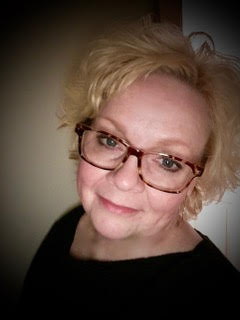
Kim Johnson: I am a blogger and an author. I have had Fibromyalgia Syndrome, which was catalyzed by a car accident, for more than 20 years. I also suffer from some co-existing conditions. I am married and live in Minneapolis, Minnesota.
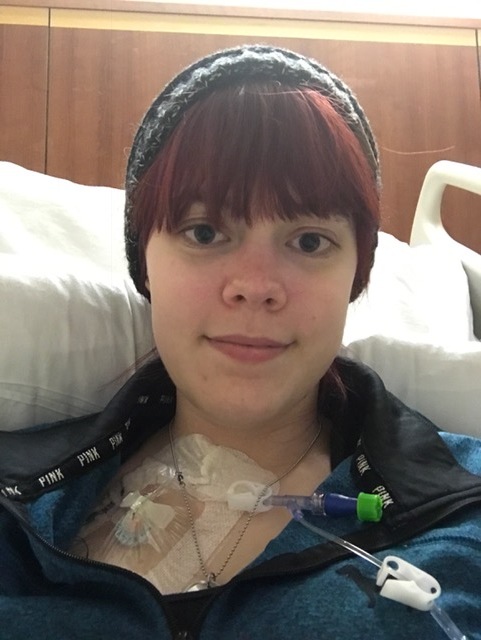
Kali Smith: I live with Ehlers Danlos Syndrome-Hypermobility Type, Gastroparesis, Fibromyalgia, and several other illnesses.

Wendy Holcombe: I'm a blogger and a chronic illness patient and advocate. I write about my journey with multiple chronic illnesses, including Meniere's Disease, chronic migraines, and Bipolar disorder. I also write about hearing loss, which I experienced in 2011 due to Meniere's Disease.
Q1: Have you ever participated or considered participating in a trial? Why or why not?
KJ: I had not before I was contacted by Antidote. I agreed to partner with them and have signed up for two clinical trial opportunities. I was able to learn about Antidote and their mission to accelerate treatments. This is why I finally signed up. I want to be a part of this acceleration process.
KS: I haven’t considered participating in a trial because my health is very poor right now […] Recently my GI doctor and I touched briefly on participating in a trial. I’ve been giving it some serious thought and I suppose my participation will depend on what I would have to do for the trial.
WH: I have participated in two trials. The first time was years ago and I was basically healthy. I saw in the local paper that they were looking for participants to try a new drug to treat a condition I have. I was not on a daily medication for this condition at the time, so I wasn’t concerned about not receiving the trial drug. The second time my doctor asked me to participate in a trial that may have helped those with Meniere’s Disease. I was happy to do so, even if the treatment didn’t work (and it didn’t). I knew my information may help others. This is very important to me.
Q2: What are some of the barriers to participating in medical research for your community?
KJ: Three things come to mind:
- Fear. We don’t look sick. We’ve been to many doctors, tried many therapies and medications that haven’t worked, and been told it is all in our head. We isolate because we are not believed.
- Cost. We are broke! But it isn’t about being paid. We are “broken”, from too many medical bills, therapy bills, special diet grocery bills, and snake oils. Some of us receive disability payments to offset these costs, but the amount of the monthly payment is way below the poverty line.
- Travel. For fibromyalgia patients, first thing we lose is our mobility, so we depend on others to drive us, or we use public transportation. Going to an appointment is tremendously difficult for people with fibromyalgia. Getting ready, getting transportation, the anxiety that accompanies the appointment itself - it’s all overwhelming! It will take us a few days of rest to recover from one appointment.
KS: There are several concerns: cost of the trial, lodging, food, and travel. The side effects of the treatment, frequency of visits, and potential medication interactions. I want to know if I will be admitted or an outpatient, how I will be treated by the staff, and if I’ll be compensated for my time and travel or at least provided discounted lodging.
WH: I’m concerned that during the trial I’ll have something come up and need medication that would knock me out of the trial. In addition, some patients may be concerned about privacy in the study. Not everyone wants to be an open book about their medical issues — even if researchers guarantee confidentiality.
Q4: What could researchers do to make it easier or more enticing for you and the people you serve to participate in research?
KJ: People like me remember medical trials they saw in their 8th grade health studies class. Sterile rooms, real medication versus placebo medications, horror stories about military “vaccines”. We need new information: What are clinical trials like now? What are the rights of the patient that is participating? Lift the veil, so to speak. Those of us with chronic illnesses don’t know how we will feel from hour to hour, let alone if we would have the stamina for a clinical trial. We’d like to at least be comfortable with what we know about these trials and, more importantly, what we will be treated like.
KS: A lot of chronically ill people are unable to work full time or even work at all, so being aware of costs before we even sign up for the trial is ideal. This is also why compensation for time and travel are somewhat of an incentive to join. Also, it would be nice to let patients meet the hospital staff in charge of the trial. The trial itself could be amazing, but it could fall flat if the hospital staff isn’t polite. We should also be able to have some time with the doctor who’s running the trial to ask questions the nurses can’t answer. In the age of technology, we could even set up a Skype appointment with the doctor. Also, before people sign-up for a trial, there should be a way to easily view the doctor’s and hospital’s credentials. Some of us have very complex medical histories and it is important to know the hospital can handle our complex illnesses, if something goes wrong.
WH: Have flexible times that the participant can be seen. If a patient is working and in a study that requires them to be seen during normal business hours, it can be very hard. People can only say to their boss that they need a few hours off for a doctor’s appointment so many times. At one point, I had to be seen multiple times in a week. It was very hard to explain this to work, especially when in a study for something a patient would consider private.
Also, make the studies more accessible. Sites are often only offered in large metropolitan cities and many people have no way of participating. Finally, I think many people do not participate in studies because their doctor doesn’t mention it, or they think it will compromise their relationship with their doctor. We need to find a better way to discuss clinical trials with our doctors and to secure their support in pursuing them.